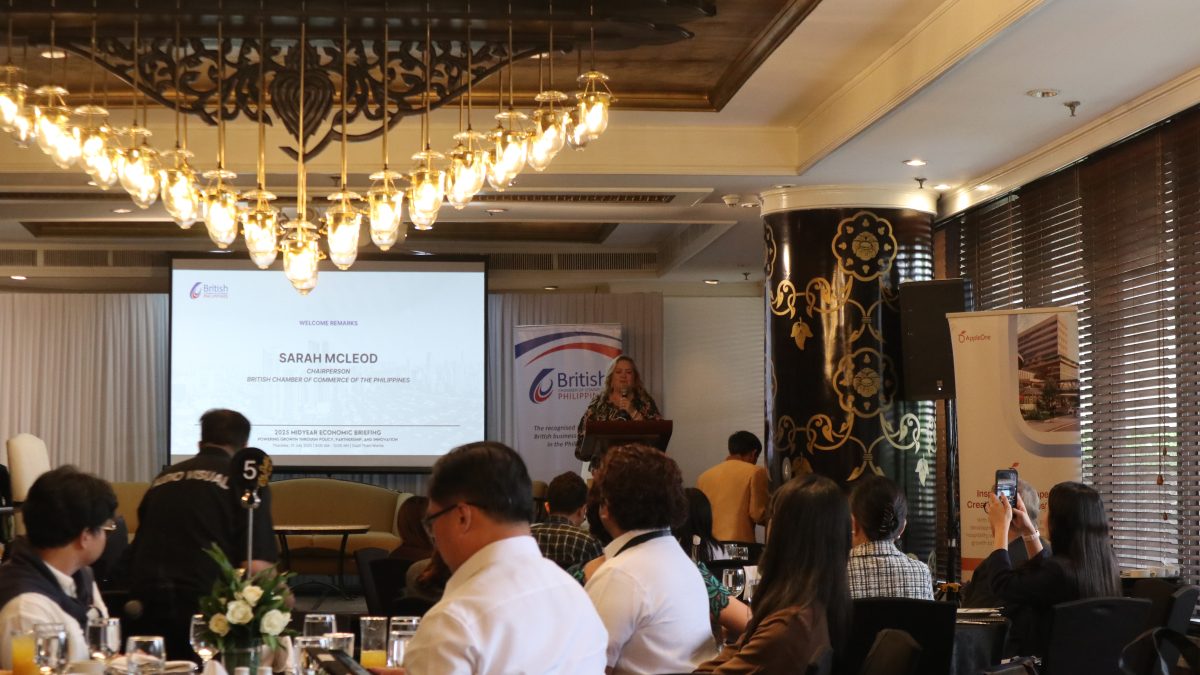
What We Learned at the 2025 Midyear Economic Briefing hosted by the British Chamber of Commerce Philippines
Let’s be honest, when people hear “economic briefing,” most assume it’s something only bankers and execs would care about. But the truth is, what was discussed at the 2025 Midyear Economic Briefing last July 31 at Dusit Thani Manila actually affects all of us, from how much we spend at the grocery store to what kinds of jobs and businesses might be coming to the Philippines soon.
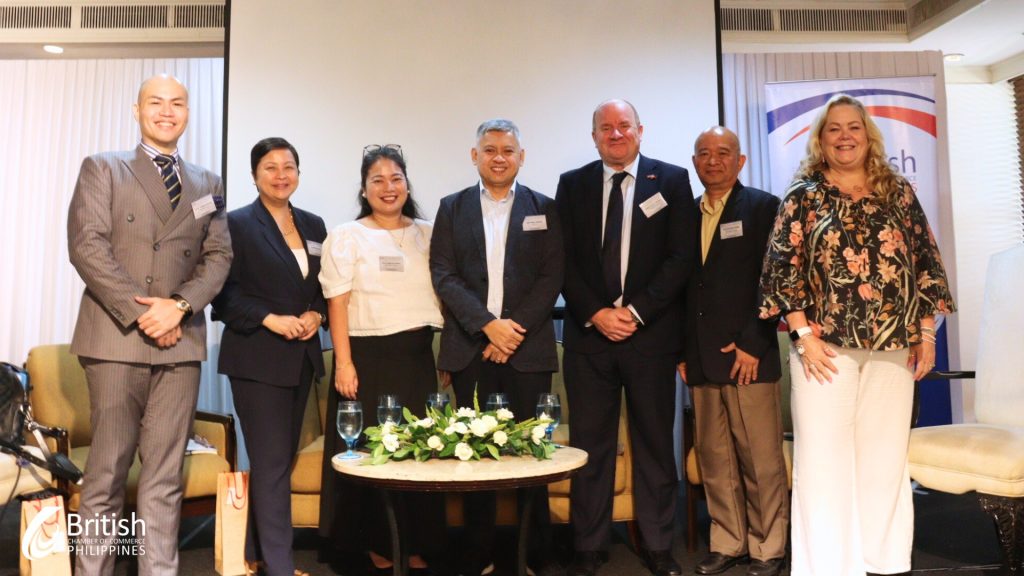
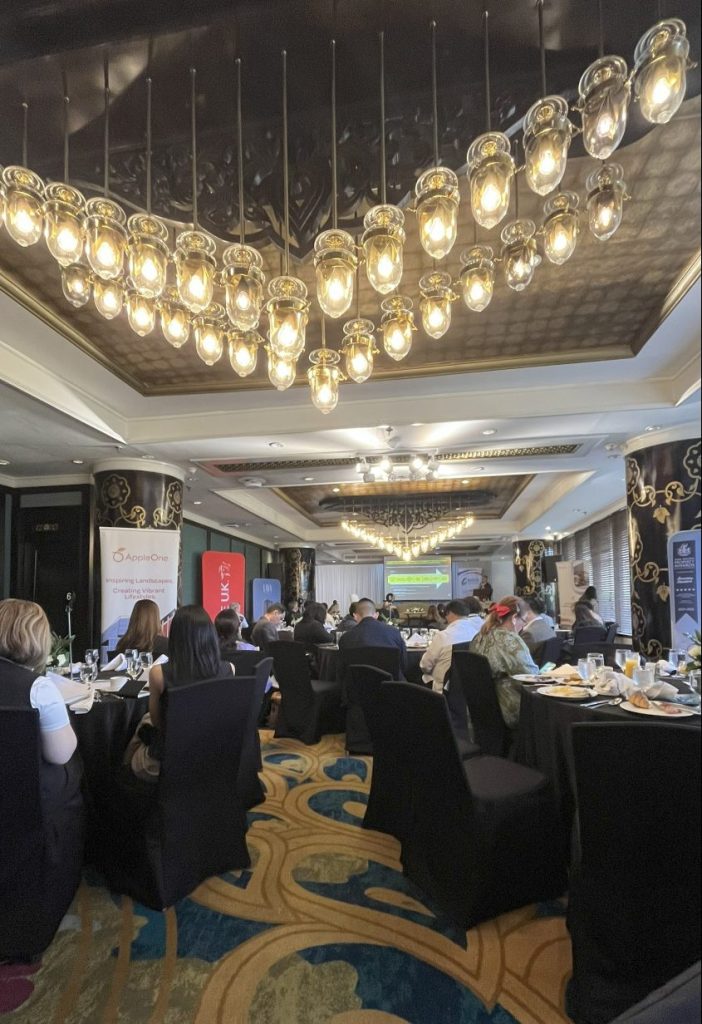
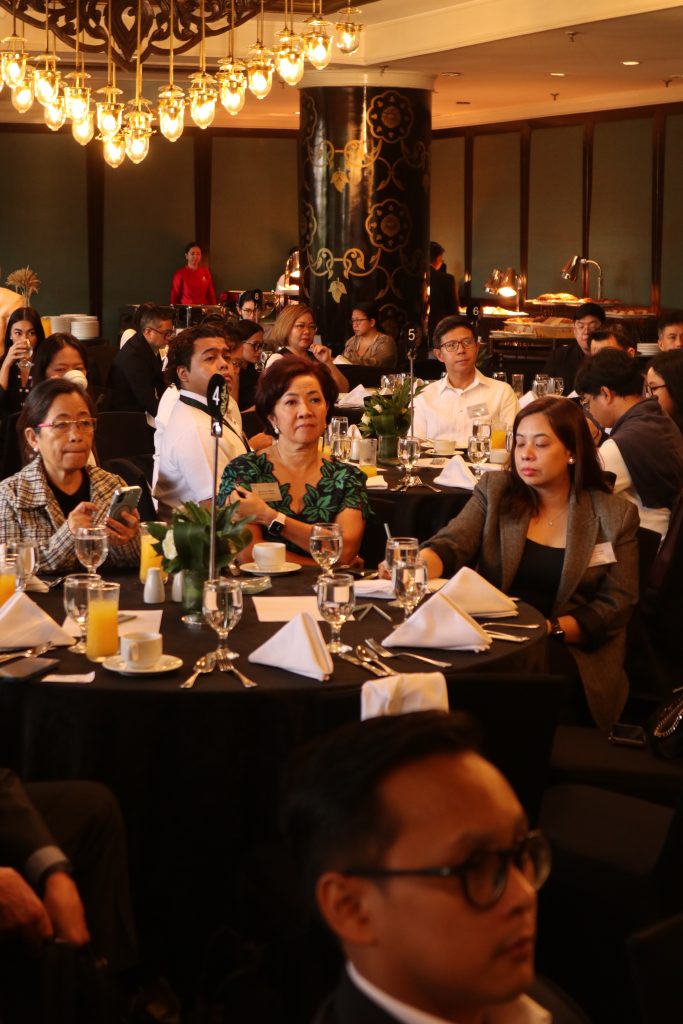
Hosted by the British Chamber of Commerce Philippines (BCCP), together with AppleOne Group, HSBC, SGV & Co., Pru Life UK, and Shang Properties, the event brought together key voices from government and business to unpack the state of the Philippine economy and our growing trade relationship with the UK. It also came at a pretty interesting time, just after the country’s historic midterm elections with the highest voter turnout since 1998.
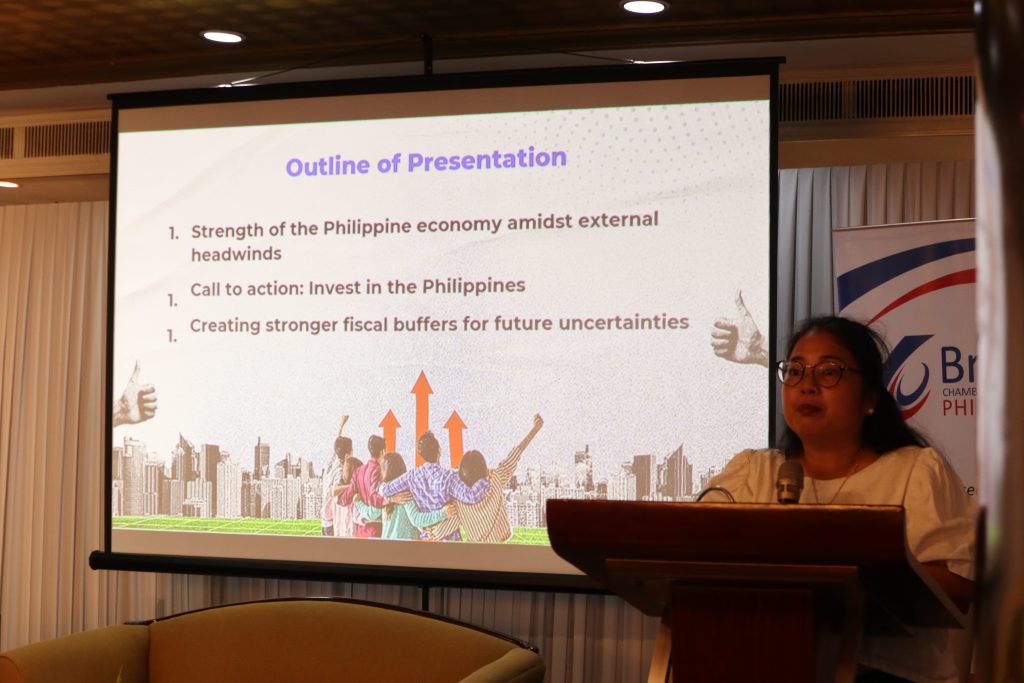
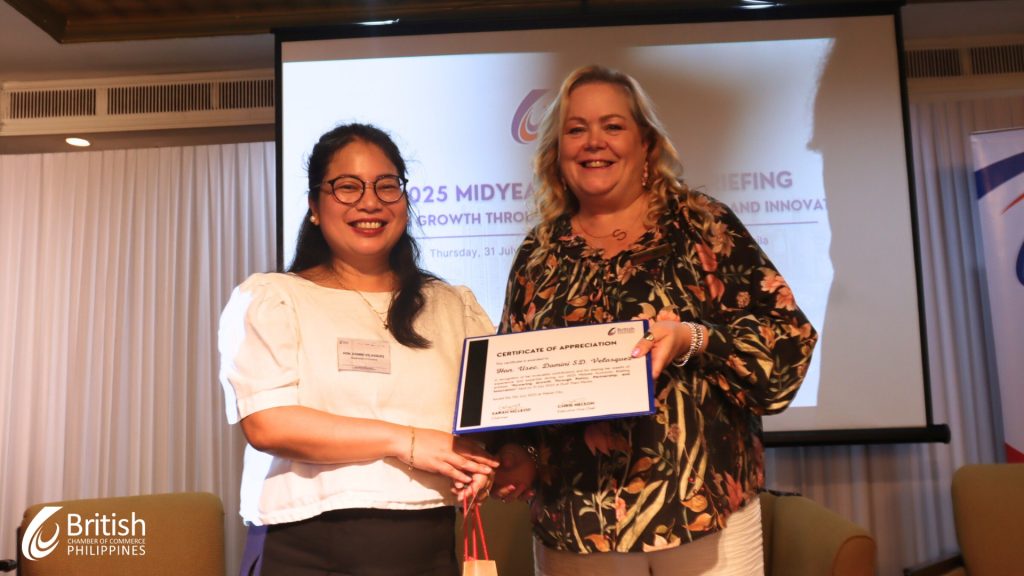
According to Undersecretary Domini Velasquez, Chief Economist at the Department of Finance, the country is showing promising signs of growth. Inflation has been slowing down, which means everyday expenses aren’t ballooning as fast, and people are starting to feel like their money actually stretches. More consumers and businesses are also taking out loans, a sign that confidence is returning and people are ready to spend, build, and invest again.
On top of that, government spending is increasing too, and when the government spends, the public tends to follow. It’s a ripple effect. Think of it like one friend finally booking a group trip and everyone else suddenly committing too.
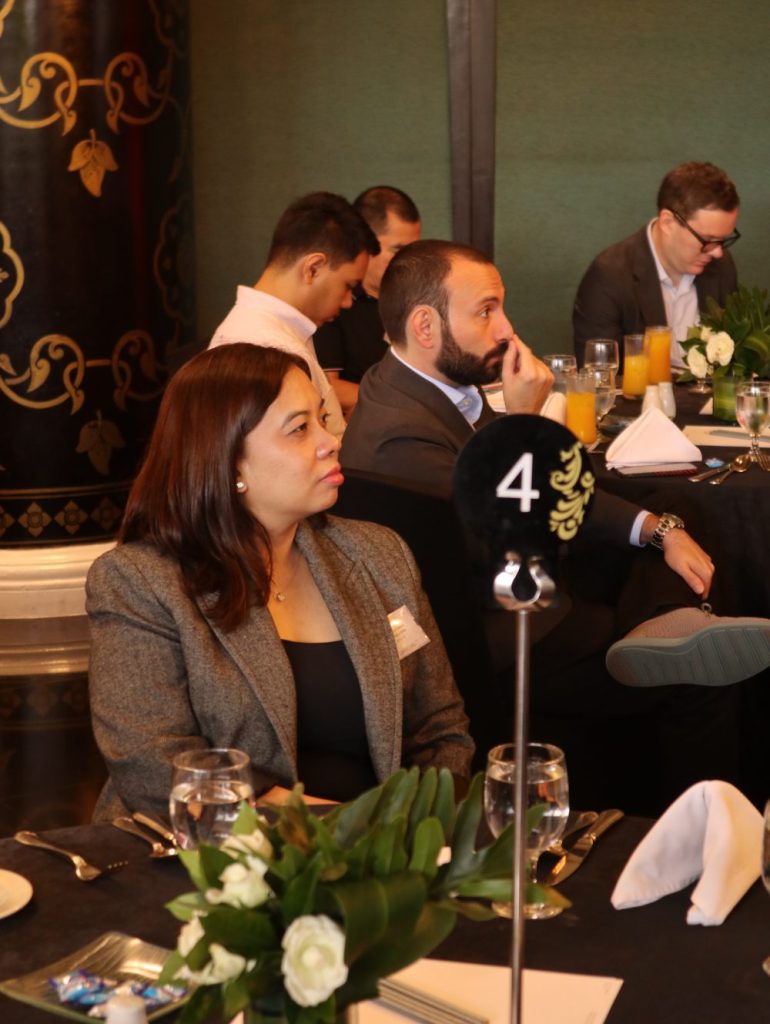
Velasquez also pointed out that foreign direct investment (FDI) in 2024 saw a big boost, especially from UK-based companies. That’s a strong signal that global players see the Philippines as a place worth investing in. She also mentioned that the government is exploring new sources of revenue, like possible taxes on single-use plastics and e-gambling platforms, though nothing is final yet.
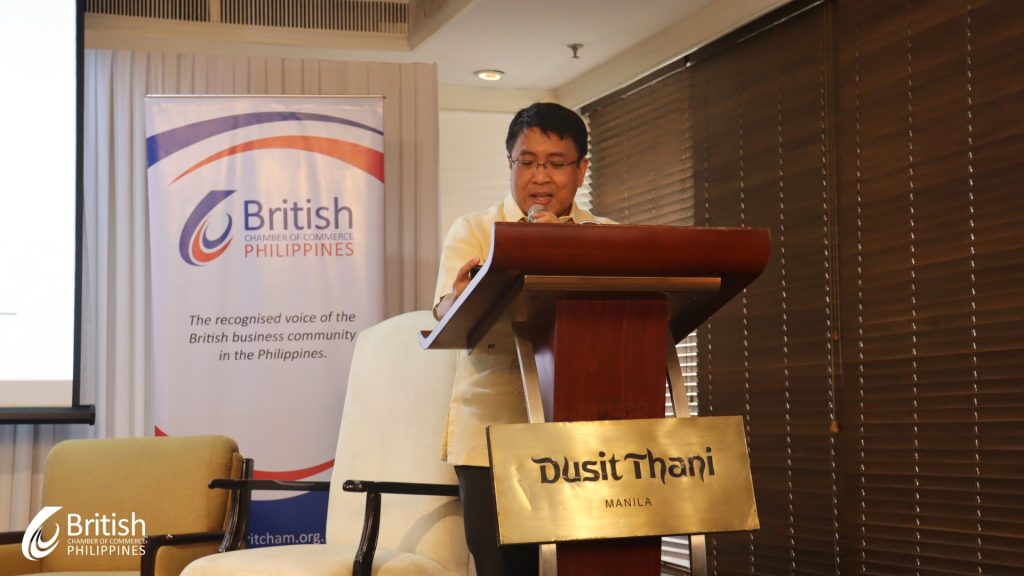
Over at the trade side of things, Undersecretary Allan Gepty from the Department of Trade and Industry’s International Trade Group talked about why trade agreements actually matter in real life. If you’re a small Filipino brand hoping to sell your product in the UK, say, handmade bags or local skincare or if you produce cacao, these agreements can make that a lot easier. You get fewer taxes, simpler requirements, and better access to their market.
Gepty emphasized that these trade deals aren’t just about math on a balance sheet, they’re about real opportunities for growth and stability. On one hand, there’s market access, which helps us export goods, services, and investments. On the other hand, there are rules and disciplines, which set fair ground rules that make it easier for businesses to operate without sudden surprises.
Under the current administration, the Philippines is expected to have around 12 free trade agreements in place, all part of a clear and forward-moving trade policy. These include ongoing work under JETCO (Joint Economic and Trade Committee), the Developing Countries Trading Scheme (DCTS), and a growing interest in joining the Comprehensive and Progressive Agreement for Trans-Pacific Partnership (CPTPP). Gepty explained that this trade direction not only opens doors for international business, it also supports local reform and encourages investment that benefits everyday Filipinos.
British Embassy Manila’s Deputy Head of Mission, Mike Welch, added to the conversation by spotlighting a powerful opportunity for the Philippines: clean energy. The country has an estimated 178 gigawatts of offshore wind potential, and green energy is one of the key areas where UK-Philippine cooperation continues to grow. Digitalization and cybersecurity were also brought up, with new legislation in the works to keep us aligned with global standards.
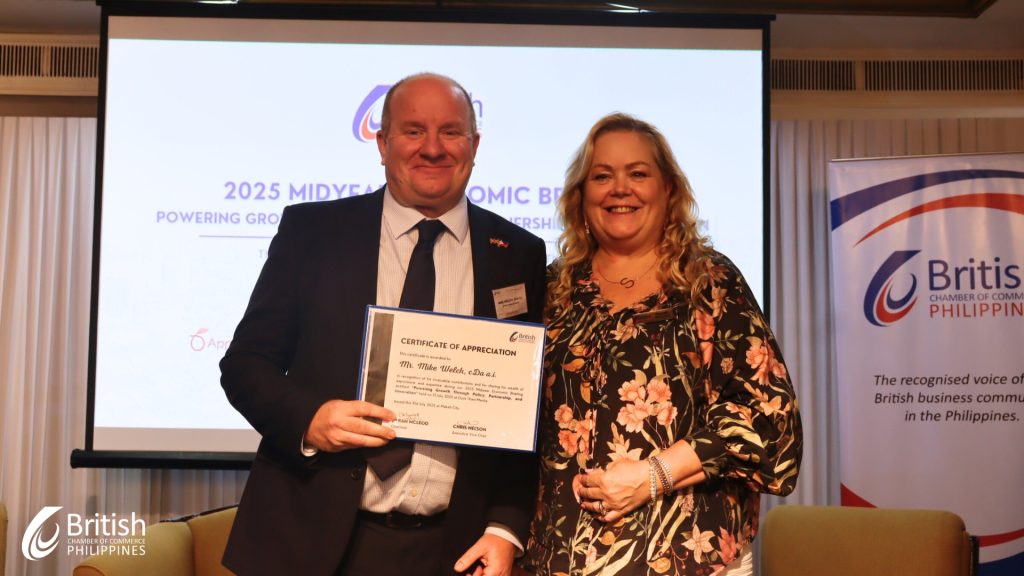
Welch also shared that, under the DCTS, 92% of Philippine exports now enter the UK duty-free, a huge win for local businesses. Meanwhile, UK services exported to the Philippines grew by 11.5% in 2024, showing that the trade relationship is going both ways and growing fast.
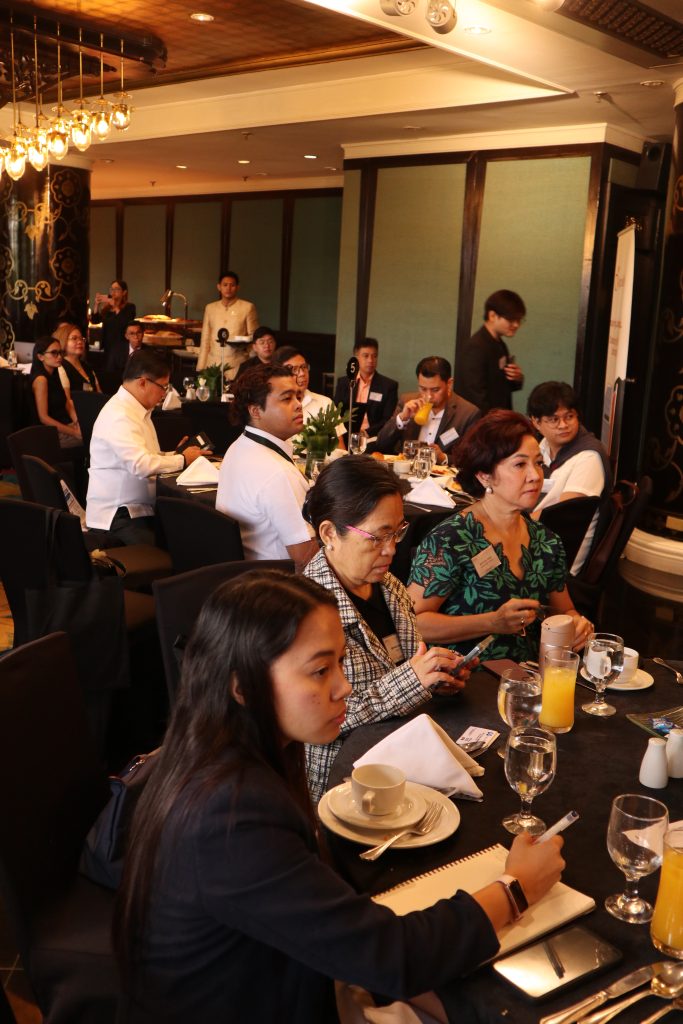
To wrap it all up, BCCP Executive Vice Chair Chris Nelson said it simply: the UK has built close ties with the Philippines, and the record-high £3 billion trade figure is proof of that. While UK products and services are becoming more popular here, there’s also a growing opportunity for Filipino businesses to expand in the UK. The key now is to keep that momentum going and make sure more people, from startups to established companies, know these doors are open.
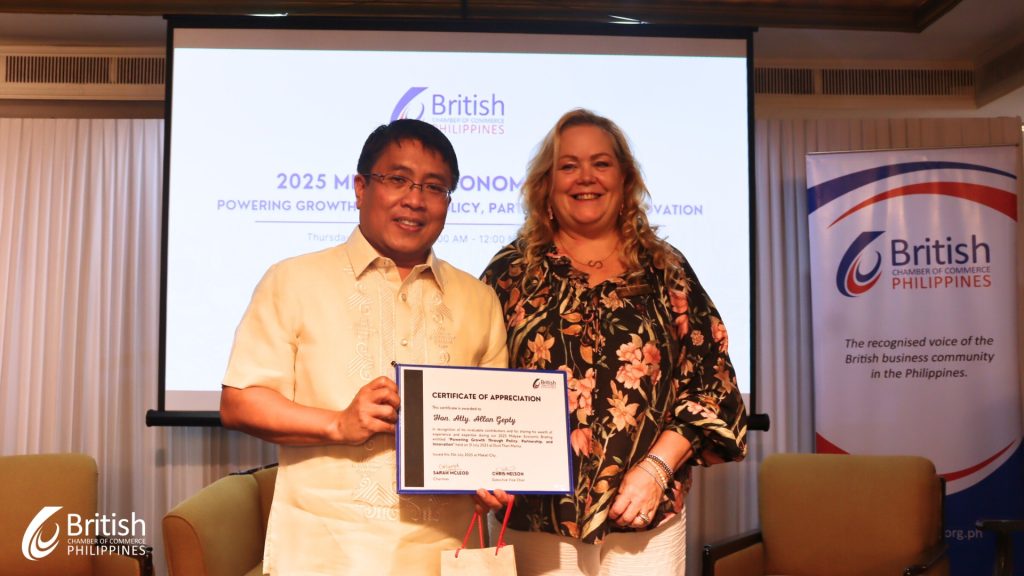
So what’s the bottom line?
Inflation’s easing, people are starting to spend and borrow again, and both the public and private sectors are showing renewed energy. The UK continues to invest in the Philippines, especially in areas like green energy, digital innovation, and trade. And all those complicated-sounding trade agreements? They’re actually laying the groundwork for real opportunities, for your business, your future job, and even what ends up in your cart when you shop.
The economy is quietly shifting into higher gear. And even if it doesn’t always make headlines, it’s already shaping how we live, shop, and move forward.
————————————————————
Barbie Forteza is on the cover of STYLISH Magazine right now, as she shares her thoughts on her new phase in her career with her new television series Beauty Empire.

Read our cover story here.
The #StylishPodcast episode with Barbie Forteza is now up! Watch it here.
Stylish Magazine is “your source of self-love, style & inspiration” first introduced in June 2020. Our television series format, Stylish TV, once ranked one of the Top 50 Most Watched Multicultural Shows in the USA, can be streamed on iWantTFC and be watched on TFC (The Filipino Channel) in more than 50 countries. Watch it online here.
Style Visionary Network is a lifestyle-business online platform where #WeCreateVisionaries. Also introduced in June 2020, Style Visionary Network is also the digital home channel of media brands Stylish Magazine and Stylish TV.